Peptides BPC-157: The Research-Grade Compound Guide
Independent peptide research guide covering BPC-157 and related compounds. Study data, vendor comparisons and price-per-milligram math in one place.
Current top picks
Prices and ratings come from the merchant pages.
Index
Peptides BPC-157 sits at the center of a research conversation that has grown steadily since the first rodent tendon studies appeared in the late 1990s. We built this guide because the gap between what the published literature actually shows and what social media claims is wide, and getting wider. Our job is to close it with data, arithmetic and sourced facts.
This site covers BPC-157 and the peptides most often studied alongside it: TB-500, GHK-Cu, KPV, MOTS-c, Ipamorelin and Epithalon. Every claim links to a published study or a live product page. Every price is checked against the vendor's site. We do not sell anything.
What Are Peptides and Why BPC-157 Leads the Conversation
Short Chains, Big Research Interest
A peptide is a short chain of amino acids, typically fewer than 50, linked by peptide bonds. Insulin (51 amino acids) and oxytocin (9 amino acids) are peptides your body already makes. Research peptides are synthetic versions of sequences found in nature or designed in the lab, manufactured by solid-phase peptide synthesis (SPPS) and sold as lyophilized powder in sealed vials.
Interest has accelerated because peptides can be engineered to target specific receptors or pathways with fewer off-target effects than small-molecule drugs, at least in theory. The catch: most of the evidence for the peptides sold as research chemicals comes from animal models, not human trials.
Where BPC-157 Fits in the Peptide Landscape
BPC-157 is a 15-amino-acid fragment of a protein isolated from human gastric juice. Its full name, Body Protection Compound-157, was assigned by the research group that first described it. Over 40 preclinical papers have examined its effects on tendons, muscles, the gastrointestinal tract, nerves and bone in rodent models. A 2025 pilot study by Lee and Burgess gave intravenous BPC-157 to two healthy adults at doses up to 20 mg and reported no adverse events, but that is the entirety of published human data as of October 2026.
Categories of Research Peptides
Tissue-Repair Peptides (BPC-157, TB-500)
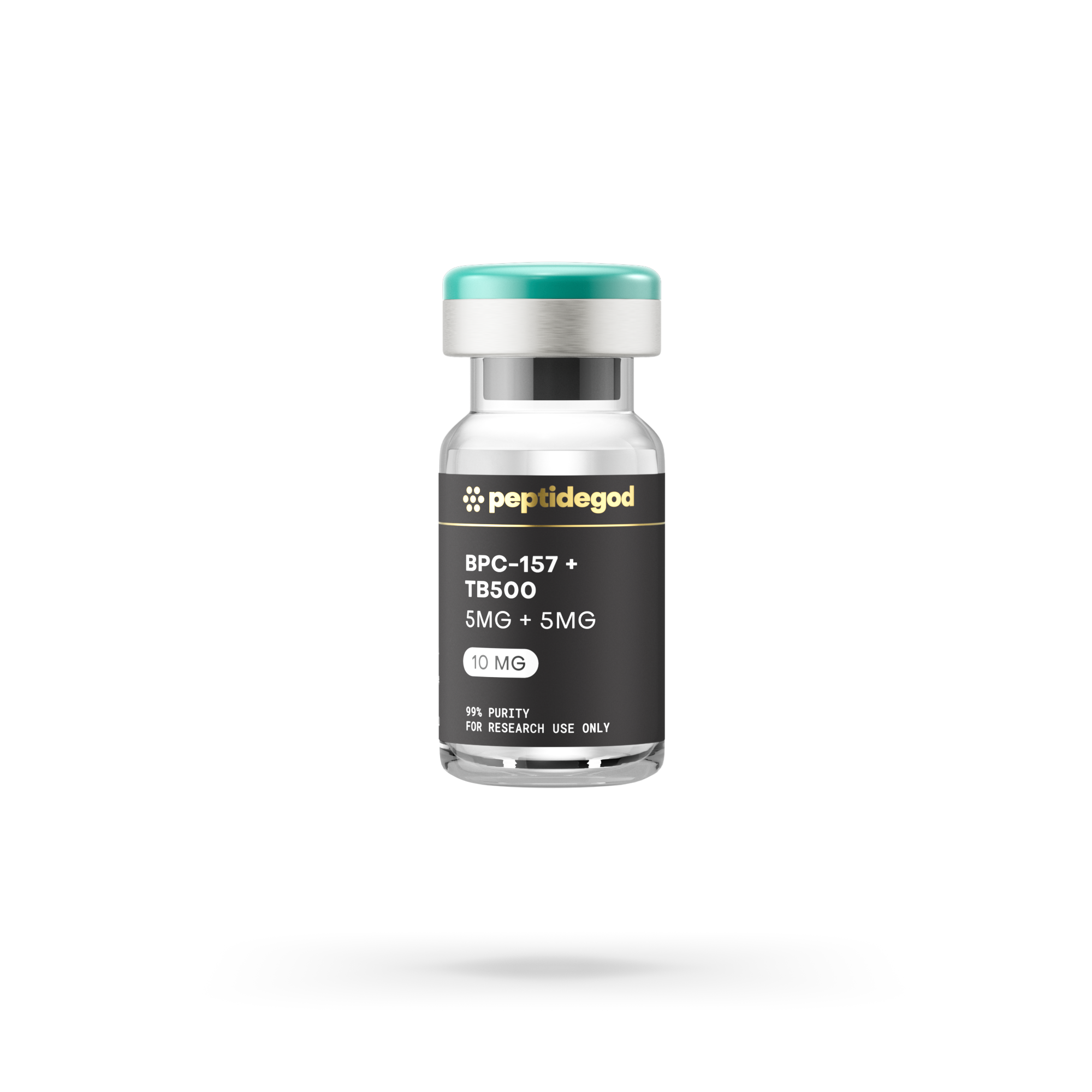
BPC-157 and TB-500 (a fragment of Thymosin Beta-4) are the two peptides most studied for tissue repair in animal models. BPC-157 research centers on angiogenesis and nitric oxide pathways; TB-500 on actin sequestration and cell migration. Both are sold as lyophilized vials. A BPC-157 + TB-500 stack is available as a pre-blended vial from some vendors, though no published study has tested the combination in the same animals.
Growth-Hormone Secretagogues (Ipamorelin, Tesamorelin)
Ipamorelin is a pentapeptide that stimulates growth hormone release by mimicking ghrelin at the GHS-R1a receptor. Tesamorelin, a 44-amino-acid GHRH analogue, is the only peptide in this group with FDA approval (for HIV-associated lipodystrophy under the brand Egrifta). Both are sold as research chemicals by vendors in our catalog.
Copper Peptides for Skin (GHK-Cu)
GHK-Cu is a tripeptide-copper complex studied for collagen synthesis and wound remodeling. Unlike the vial-based peptides above, GHK-Cu is available as topical creams and serums from brands like Neurogan Health ($20 for a 1200 mg face cream) and Scantifix ($49 for a topical formula).
Mitochondrial and Longevity Peptides (MOTS-c, Epithalon)
MOTS-c is a mitochondria-derived peptide studied for metabolic regulation. Epithalon (Ala-Glu-Asp-Gly) is a tetrapeptide studied for telomerase activation. Both sit in the early-research category with limited or no human trial data.
How We Compare Vendors
Price per Milligram Math
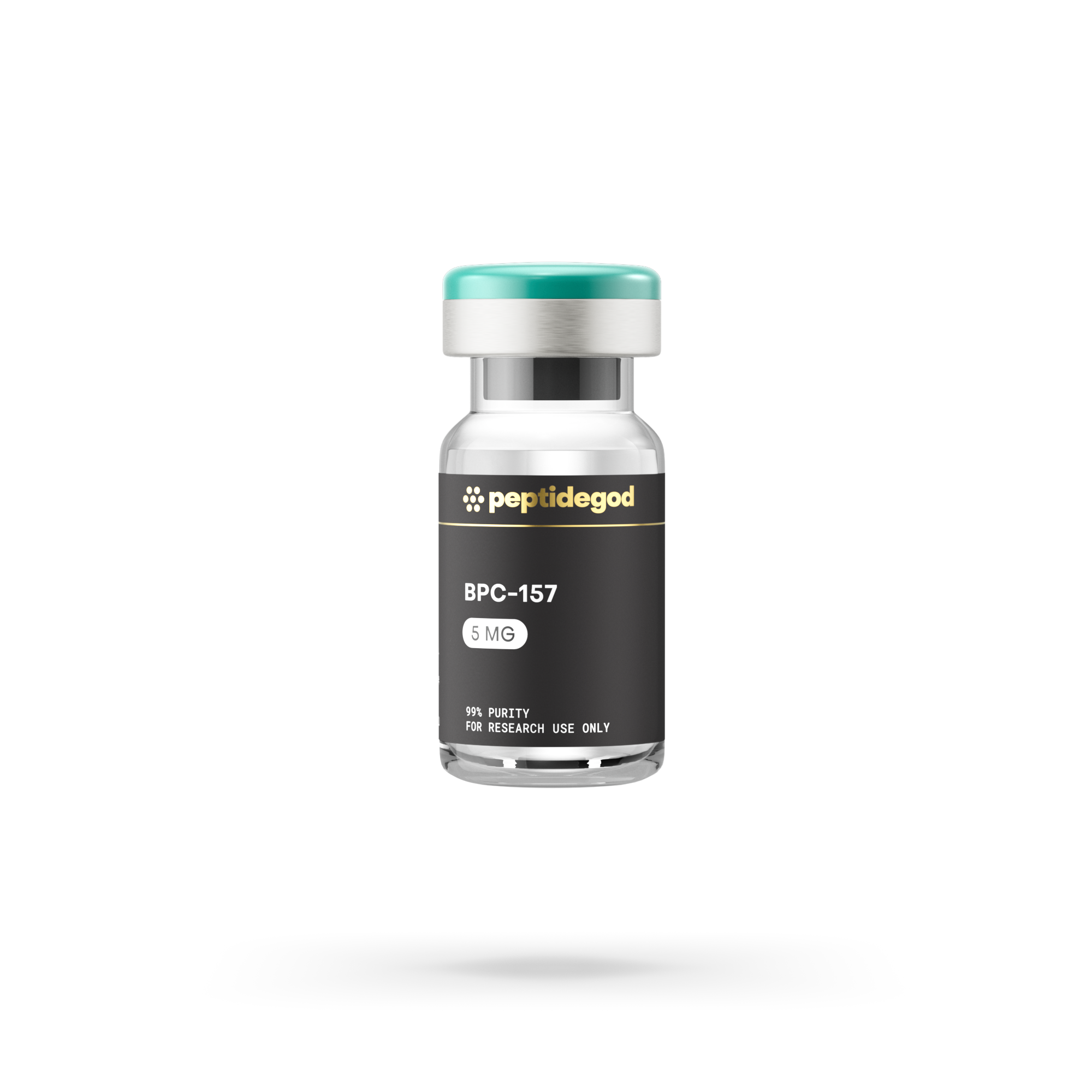
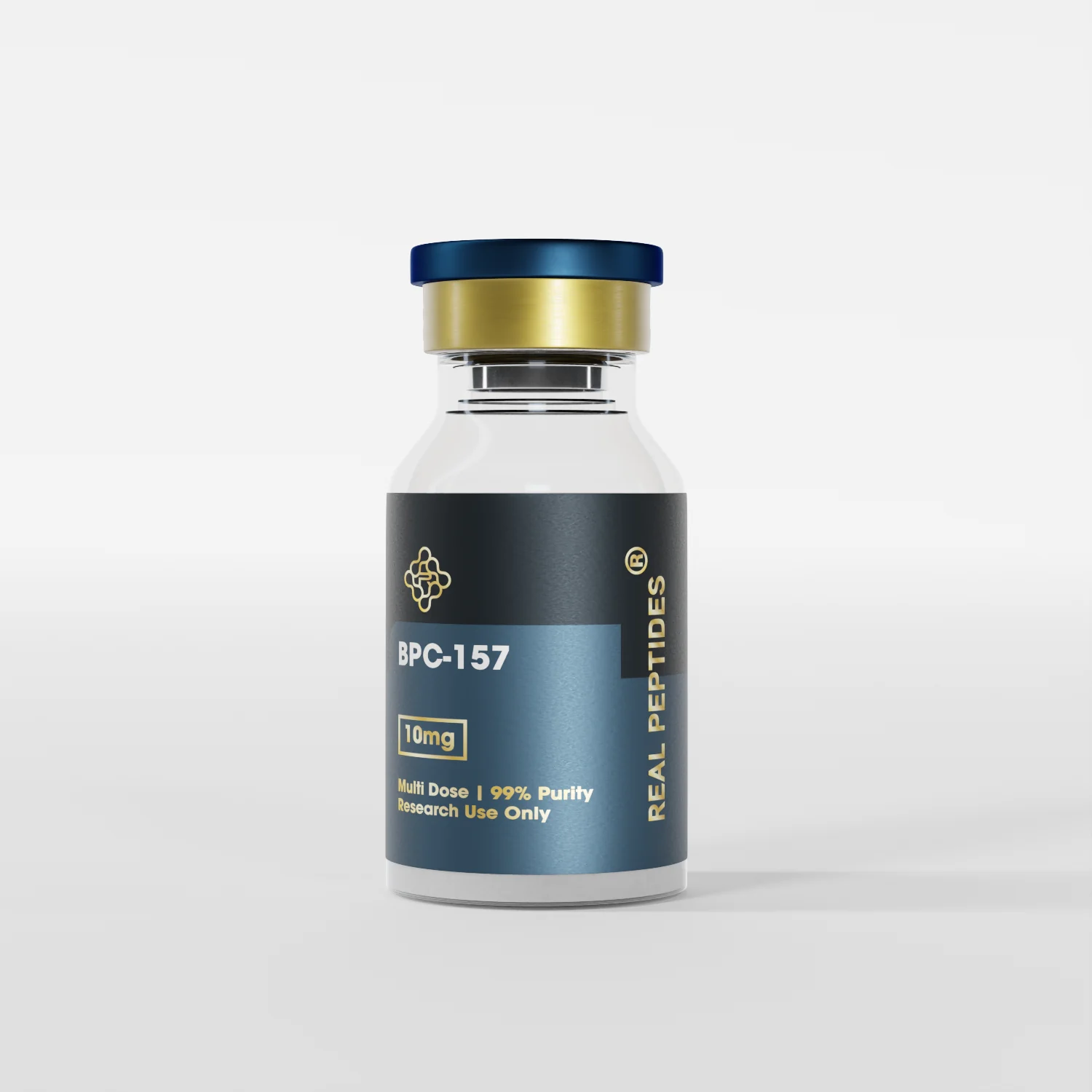
We calculate price per milligram from the listed price and the stated vial size on each vendor's product page. When a vendor does not disclose the vial size, we note that the price-per-mg figure cannot be verified. For example, Peptide God lists BPC-157 at $34.95 without a milligram figure, while Real Peptides lists BPC-157 at $43.20 for a confirmed 10 mg vial ($4.32/mg).
COA Verification Policy
We check whether each vendor publishes a Certificate of Analysis (COA) with a lot number, HPLC purity percentage and mass spectrometry confirmation. As of October 2026, Real Peptides publishes lot-specific COAs; Peptide God does not display COA documentation on product pages. We report this difference without speculating about what it means for purity. Learn more in our guide on how to read a peptide COA.
Shipping Speed and Stock
Both major vendors in our catalog ship from US warehouses. Real Peptides states 24-hour order processing. Peptide God products have been consistently in stock across our checks. We note out-of-stock items when we find them.
- Price per mg
- Calculated from listed price and confirmed vial size
- COA status
- Whether a lot-specific certificate is published
- Shipping
- Origin warehouse and stated processing time
- Stock
- Availability at time of review
What we look at
Third-party testing
We look for a batch-level certificate of analysis published by the merchant.
Stated purity and fill
Purity percentage and milligrams per vial as stated on the product page.
Labeling and storage info
Clear research-use labeling, lot numbers and storage instructions.
Cost per milligram
Vials compared on price per milligram, not on sticker price.
FAQ - Peptides BPC-157
What is BPC-157?
BPC-157 is a synthetic 15-amino-acid peptide derived from a protein found in human gastric juice. It has been studied in over 40 preclinical papers for effects on tendons, muscles, gut tissue and nerves in rodent models. It is not FDA-approved and is sold as a research chemical.
Are peptides legal to buy?
Research peptides labeled "for research use only" can be legally purchased in the United States. They are not approved for human therapeutic use. The FDA's compounding category decisions may change availability through compounding pharmacies; see our FDA BPC-157 compounding update for the current status.
Do I need a prescription for research peptides?
No prescription is required to purchase peptides labeled for research use. Prescription-based access through telehealth platforms like DoctorDerm and Arc-1 is a separate pathway that includes physician oversight.
How are peptides shipped?
Lyophilized peptide vials are shipped at ambient temperature because the dry powder is stable for days outside cold storage. Once reconstituted, peptides must be refrigerated. Most US vendors ship via standard carriers with 1 to 3 day delivery.
Discuss any peptide product with a qualified healthcare provider before use. The peptides described on this site are sold for laboratory and research purposes and are not approved for human therapeutic use by any regulatory agency.
Reviewed by our experts
Every guide and ranking on this site is checked by a named reviewer before it is published.
From the blog

BPC-157 Research 2025-2026: New Reviews and Data
Summary of BPC-157 reviews and studies published in 2025-2026. Musculoskeletal review, biopharmaceutical analysis, first human safety pilot and more.

FDA BPC-157 Compounding Status: 2026 Update
Timeline of FDA actions on BPC-157 compounding through 2026. Category 2 removal, PCAC vote and what the advisory recommendation means for availability.
WADA 2026 Prohibited List: Which Peptides Are Banned
WADA 2026 Prohibited List explained for peptide users. BPC-157 under S0, TB-500 under growth factors and CJC-1295 under S2. Full breakdown with citations.