Peptide Storage and Handling: Best Practices
How to store lyophilized and reconstituted peptides. Temperature guidelines, shelf life, light protection and when to discard. Practical reference chart.
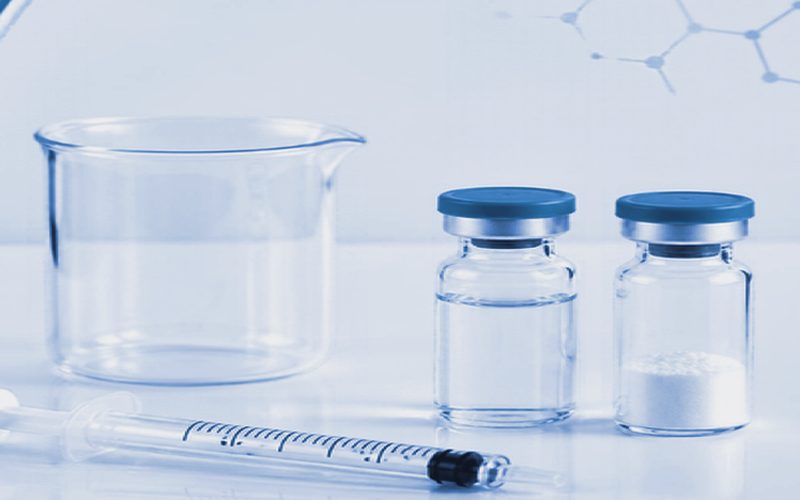
Peptides are fragile molecules. A vial of lyophilized powder can remain stable for years under the right conditions or degrade within weeks under the wrong ones. Temperature, moisture, light and microbial contamination determine shelf life. We reviewed manufacturer guidance, published stability data and vendor recommendations to compile this practical storage reference.
Lyophilized Peptide Storage
Optimal: -20C in a Sealed Vial
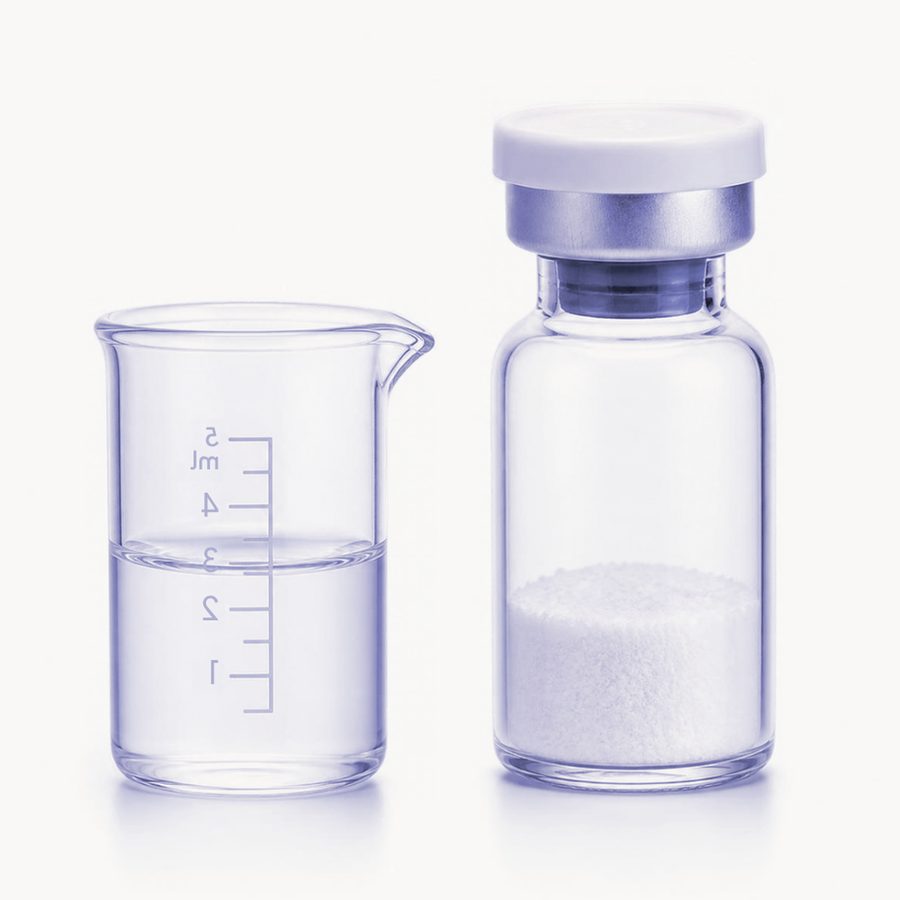
Lyophilized peptides in sealed vials are the most stable form. At -20C, most peptides retain integrity for two to five years. Lyophilization removes water, eliminating hydrolysis of peptide bonds. A sealed vial prevents moisture from re-entering. Standard laboratory or kitchen freezers maintain -18C to -20C, which is adequate.
Acceptable: 2-8C for Short-Term
Refrigeration at 2-8C is acceptable for short-term storage. Use the product within six to twelve months at this temperature. Trace moisture ingress through the vial stopper accelerates over time, so long-term refrigerator storage is not recommended. Room temperature storage for extended periods will degrade the peptide, especially in humid climates.
Shelf Life: 2-5 Years at -20C
Most research peptides maintain greater than 95% purity after two years at -20C. Some manufacturers report five-year stability. BPC-157 is considered relatively stable due to its acid resistance, but no peer-reviewed long-term stability study specific to lyophilized BPC-157 has been published. We recommend checking the expiration date or manufacture date on the vial label when available and recording the date you place it in storage.
Reconstituted Peptide Storage
Refrigerate at 2-8C
Once reconstituted, the stability clock resets. Hydrolysis, oxidation and microbial growth become active risks. Refrigerate immediately after mixing.
Shelf Life: Up to 28 Days with Bacteriostatic Water
Bacteriostatic water contains 0.9% benzyl alcohol, which inhibits microbial growth. When reconstituted with BAC water and stored at 2-8C, most peptides remain usable for up to 28 days. We use this as the practical limit across our product reviews. A 10 ml vial of BAC water from Real Peptides costs $4.80.
Sterile Water Shortens Shelf Life
Sterile water lacks a preservative. Each needle puncture increases contamination risk. With sterile water, use the reconstituted peptide within 48 to 72 hours and discard the remainder.
| State | Temperature | Duration | Container | Notes |
|---|---|---|---|---|
| Lyophilized (sealed) | -20C | 2-5 years | Original sealed vial | Optimal long-term storage |
| Lyophilized (sealed) | 2-8C | 6-12 months | Original sealed vial | Acceptable short-term alternative |
| Reconstituted (BAC water) | 2-8C | Up to 28 days | Original vial, refrigerated | Benzyl alcohol inhibits microbial growth |
| Reconstituted (sterile water) | 2-8C | 48-72 hours | Original vial, refrigerated | No preservative; use quickly |
| Reconstituted (any) | Room temp | Not recommended | N/A | Accelerated degradation and contamination risk |
Freeze-Thaw Cycles
Limit to 3 or Fewer
Each freeze-thaw cycle stresses the peptide. Ice crystal formation disrupts secondary structure, and concentration changes during thawing promote aggregation. Published manufacturer guidance recommends three or fewer cycles. After that, purity and activity may decline measurably.
Aliquoting Before First Freeze
The best way to avoid repeated freeze-thaw is to divide the reconstituted solution into single-use aliquots before freezing. Transfer measured volumes into sterile microcentrifuge tubes, freeze all tubes, and thaw only what you need. This limits each aliquot to one freeze-thaw event. We consider aliquoting the single most effective storage practice for anyone working with reconstituted peptides over longer timelines.
Light and Moisture Protection
Amber Vials or Foil Wrapping
UV light accelerates oxidation of certain amino acid residues. BPC-157 lacks the most photosensitive residues (methionine, tryptophan), making it less vulnerable than some peptides, but light protection remains best practice. Amber vials block UV. Clear vials can be wrapped in aluminum foil.
Desiccant Packs for Long-Term Storage
Moisture is the primary enemy of lyophilized peptides. Storing sealed vials alongside silica gel desiccant packs in a sealed bag adds protection. Replace desiccant every six months if the outer container is opened regularly.
- -20C optimal
- Long-term storage for sealed lyophilized vials
- 28 days reconstituted
- Maximum with bacteriostatic water at 2-8C
- 3 max freeze-thaw cycles
- Aliquot before freezing to minimize cycles
When to Discard a Peptide
Visible Particulates
Visible particles, fibers or floaters in a reconstituted solution indicate contamination or aggregation. Discard the vial. Do not filter and reuse.
Color Change
Lyophilized powder should be white to off-white. Yellow or brown discoloration suggests oxidation. Reconstituted solutions should be clear and colorless. Any color shift warrants disposal.
Past Shelf Life
A lyophilized vial stored beyond five years at -20C, or a reconstituted vial past 28 days with BAC water, should be discarded. Degraded peptides may not be harmful, but their purity is no longer reliable.
FAQ
Can I store peptides in a kitchen freezer?
Yes. Kitchen freezers at -18C to -20C are adequate. Use a sealed container with desiccant and keep vials away from the door.
How long does reconstituted BPC-157 last?
Up to 28 days at 2-8C with bacteriostatic water. With sterile water, use within 48 to 72 hours.
What happens if peptides ship without cold packs?
Lyophilized peptides tolerate ambient shipping for several days. The dry powder is stable at room temperature for short periods. Reconstituted peptides should never ship without cold packs.
Keep reading
BPC-157 Research 2025-2026: New Reviews and Data
Summary of BPC-157 reviews and studies published in 2025-2026. Musculoskeletal review, biopharmaceutical analysis, first human safety pilot and more.

FDA BPC-157 Compounding Status: 2026 Update
Timeline of FDA actions on BPC-157 compounding through 2026. Category 2 removal, PCAC vote and what the advisory recommendation means for availability.
WADA 2026 Prohibited List: Which Peptides Are Banned
WADA 2026 Prohibited List explained for peptide users. BPC-157 under S0, TB-500 under growth factors and CJC-1295 under S2. Full breakdown with citations.
Compare the current picks
Prices, sizes and ratings side by side, updated when the merchant pages change.
Compare peptides