BPC-157 in Peptide Therapy: What Studies Report
Published research on BPC-157 in peptide therapy. Preclinical results on tissue repair, gut protection and recovery with cited study data and species noted.
BPC-157 peptide therapy is a phrase you will encounter on forums, clinic websites and vendor pages. What it actually refers to is the use of a synthetic 15-amino-acid peptide, originally isolated from human gastric juice, in preclinical research settings. Over 40 published studies have tested BPC-157 in rodent injury models spanning tendons, muscle, gut mucosa, nerves and blood vessels. We reviewed every available paper and regulatory filing to compile this guide. The goal is straightforward: report what the data shows, flag what it does not and let you draw your own conclusions.
What BPC-157 Is and How It Was Discovered
Origin from Gastric Juice
BPC-157 was first described by a research group at the University of Zagreb in the early 1990s. They isolated a protein from human gastric juice and identified a stable fragment that retained biological activity in stomach acid at pH levels as low as 1. That acid stability is unusual for a peptide and is one reason BPC-157 attracted interest for gastrointestinal research. The name Body Protection Compound was assigned by the discoverers based on observations in early rat ulcer models.
The 15-Amino-Acid Sequence
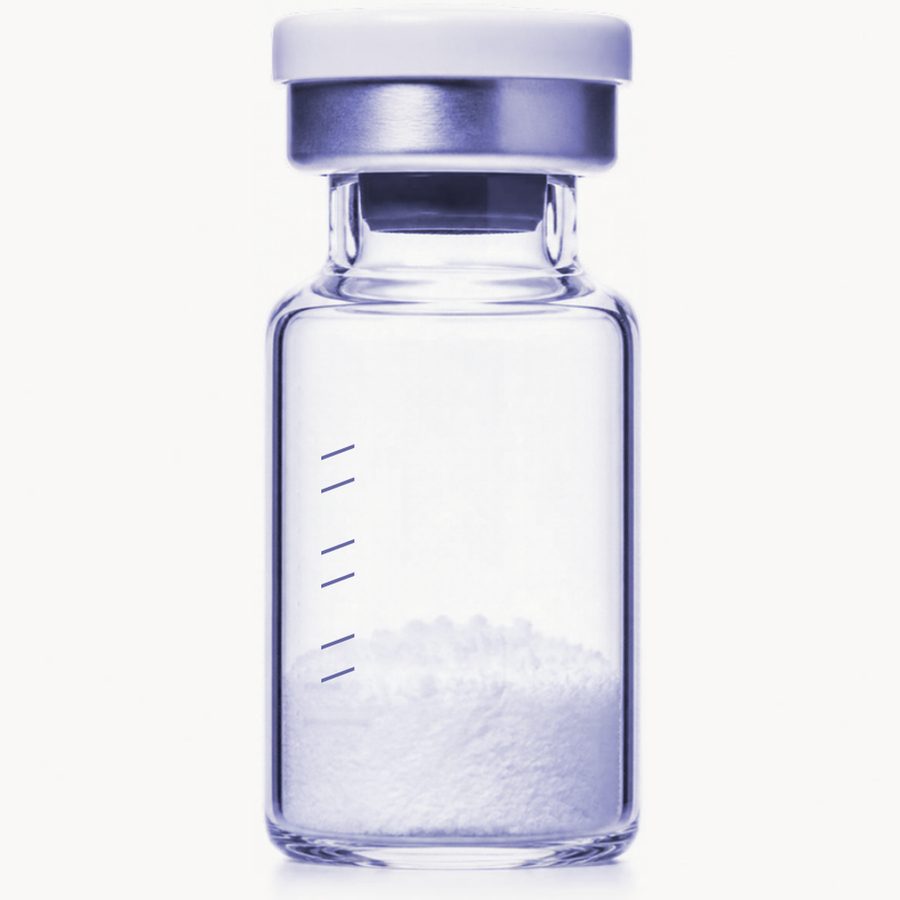
The sequence is Gly-Glu-Pro-Pro-Pro-Gly-Lys-Pro-Ala-Asp-Asp-Ala-Gly-Leu-Val, abbreviated GEPPPGKPADDAGLV. It has a molecular weight of 1419.5 g/mol. The peptide does not occur naturally in isolation. It is a fragment of a larger parent protein (BPC) that has not been fully characterized. Vendors sell BPC-157 as a lyophilized powder, typically in vials ranging from 5 mg to 10 mg, synthesized via solid-phase peptide synthesis (SPPS).
- Amino acid sequence
- GEPPPGKPADDAGLV
- Molecular weight
- 1419.5 g/mol
- Origin
- Fragment of human gastric juice protein
- Preclinical papers indexed
- 40+
- Human RCTs completed
- 0
- FDA status
- Not approved for human use
Mechanism of Action in Preclinical Models
Angiogenesis and Nitric Oxide
In rat wound and tendon models, BPC-157 promoted new blood vessel formation at injury sites. A 2021 review in Frontiers in Pharmacology documented upregulation of VEGFR2 expression and increased endothelial cell proliferation in treated tissue. The peptide interacts with both eNOS and iNOS pathways, modulating nitric oxide levels rather than simply increasing or decreasing them. This bidirectional NO modulation appears across multiple tissue types in the literature. All mechanism data comes from animal studies.
Growth Factor Upregulation
Cell culture experiments showed BPC-157 increased growth hormone receptor expression in tendon fibroblasts and promoted cell migration through the FAK-paxillin signaling cascade. Whether the same receptor effects occur in other cell types has not been confirmed. We note that growth factor modulation is proposed as the link between the peptide and the tissue repair outcomes seen in vivo, but direct proof of this connection in intact animals remains incomplete.
Anti-Inflammatory Pathways
Several rat studies reported reduced inflammatory cell infiltration at injury sites following BPC-157 administration. The peptide also counteracted some effects of NSAID-induced gastrointestinal damage, which involves prostaglandin suppression and microvascular disruption. Whether BPC-157 acts directly on inflammatory mediators or indirectly through vascular repair is still debated. A 2011 review by Sikiric et al. described it as a cytoprotective peptidergic agent, but the precise molecular target has not been identified.
- Early 1990s: Discovery University of Zagreb isolates BPC-157 fragment from human gastric juice protein
- 1997-2003: Preclinical tendon research Rat Achilles tendon transection models show improved biomechanical outcomes (Staresinic 2003, PMID 14554208)
- 2006-2011: Expanded preclinical scope Studies extend to gut, muscle, nerve tissue; Sikiric reviews published
- 2025: First human safety pilot Lee and Burgess administer IV BPC-157 to two adults at doses up to 20 mg; no adverse events reported
Preclinical Results by Tissue Type
Tendon and Ligament Studies in Rats
Tendon tissue repair research represents some of the more rigorous BPC-157 data because outcomes were measured with biomechanical testing rather than visual scoring alone. A 2003 study by Staresinic et al. tested BPC-157 after rat Achilles tendon transection and reported improved load to failure in treated animals. A 2010 study by Cerovecki et al. extended the research to medial collateral ligament transection in rats, reporting biomechanical, macroscopic and histological healing improvements with intraperitoneal, per-oral and topical BPC-157. Both studies used microgram-per-kilogram doses. These are animal-only results.
Muscle Injury Models
A 2008 study by Novinscak et al. applied crush injuries to rat quadriceps and administered BPC-157 intraperitoneally. At 14 days, the treated group showed less edema, smaller hematomas and reduced fibrotic scar tissue. The study measured tissue recovery, not muscle growth. No study has tested BPC-157 for hypertrophy or performance enhancement. For more detail, see our peptides for muscle recovery guide.
Gastrointestinal Tissue
Gut protection is the most replicated finding. BPC-157 reduced lesion area in ethanol-induced, NSAID-induced and restraint-stress ulcer models in rats across multiple independent experiments by the Zagreb group. Oral administration was effective for these gut-specific outcomes, likely due to the peptide's acid stability. A Sikiric 2011 review described no toxic effects at any dose tested in rats.
| Study | Species | Route | Dose | Duration | Outcome | PMID |
|---|---|---|---|---|---|---|
| Staresinic 2003 | Rat | IP | 10 mcg/kg | 14 days | Improved Achilles tendon load to failure | 14554208 |
| Cerovecki 2010 | Rat | IP, oral, topical | 10 mcg/kg | 90 days | MCL ligament healing improvements | 20225319 |
| Novinscak 2008 | Rat | IP | 10 mcg/kg | 14 days | Reduced edema and fibrosis in crushed muscle | 18668315 |
| Sikiric 2011 (review) | Rat (multiple) | IP, oral | 10 ng/kg to 10 mcg/kg | Various | Gastric mucosal protection across models | 21548867 |
| Krivic 2006 | Rat | IP, local | 10 mcg/kg | 14 days | Increased tendon stiffness and failure load | 16583442 |
Human Safety Data
The 2025 Pilot IV Study (Lee and Burgess)
In 2025, Lee and Burgess published a small pilot study in which two healthy adult volunteers received intravenous BPC-157 at escalating doses up to 20 mg. No adverse events were recorded. Basic vitals and blood panels remained within normal ranges throughout observation. This is the only published human safety data for BPC-157 as of October 2026. It is not an efficacy study. It tells us nothing about whether BPC-157 produces tissue repair effects in people. The sample size of two also prevents any statistical conclusions about safety.
Limitations of the Current Evidence
Animal-Only Efficacy Data
Every efficacy finding for BPC-157 comes from rodent models or cell culture experiments. Zero randomized controlled trials in humans have been completed or published. Croatia registered a Phase II trial for inflammatory bowel disease, but no results have appeared in any journal. The University of Zagreb research group produced the majority of published papers, and independent replication by other laboratories remains limited.
No Phase II or Phase III Trials
Without Phase II dose-finding studies and Phase III controlled efficacy trials, we cannot know whether BPC-157 produces meaningful effects in humans at any dose. The gap between a promising rat study and a proven human therapy is wide. Most compounds that work in rodents fail in human trials. BPC-157 peptide therapy, as a concept, currently sits on the preclinical side of that gap.
Regulatory Status in 2026
FDA Category 2 and the PCAC Vote
The FDA placed BPC-157 on its Category 2 list, which includes bulk drug substances that may present safety risks when used in compounding. The Pharmacy Compounding Advisory Committee (PCAC) voted on the substance, and as of 2026, BPC-157 remains ineligible for use in compounded preparations under 503A and 503B pathways. The FDA's position is that insufficient information exists to determine whether BPC-157 causes harm when administered to humans. For a detailed breakdown, see our FDA BPC-157 compounding update.
Research-Use-Only Classification
Vendors in the United States sell BPC-157 labeled "for research use only" or "not for human consumption." This labeling allows legal sale without FDA drug approval. Purchasing for laboratory research is lawful. The World Anti-Doping Agency (WADA) has listed BPC-157 under the S0 category of prohibited substances since 2022, making it banned for competitive athletes at all times, both in and out of competition.
FAQ
Has BPC-157 been tested in humans?
A 2025 pilot safety study by Lee and Burgess administered IV BPC-157 to two healthy adults with no adverse events. This is the only published human data. No efficacy trial has been completed. All claims about tissue repair effects come from animal studies.
Is BPC-157 FDA-approved?
No. BPC-157 is not approved by the FDA for any indication. It is classified as a Category 2 bulk drug substance, meaning the agency considers it potentially unsafe for compounding. Products are sold for laboratory research only.
What is the difference between BPC-157 and BPC-157 acetate?
BPC-157 acetate is the same peptide sequence with an acetate salt form, which affects solubility and stability characteristics. The acetate counterion is added during synthesis. Published studies used various preparations, and not all specify the salt form. Both terms refer to the same 15-amino-acid chain. Vendors may list either name.
Can animal doses be converted to human doses?
Allometric scaling formulas exist, but the FDA's own guidance on estimating human equivalent doses warns that these calculations are starting points for Phase I trials, not dosing recommendations. Body surface area scaling from a 250 g rat to a 70 kg human involves a conversion factor of 6.2, but this does not account for species differences in metabolism, receptor density or bioavailability. We cover this in detail on our peptide dosage protocols page.
Discuss any peptide product with a qualified physician before use. The products described on this site are sold for laboratory and research purposes and are not approved for human therapeutic use by any regulatory agency.
Compare the current picks
Prices, sizes and ratings side by side, updated when the merchant pages change.
Compare peptides