Topical vs Vial Peptides: Neurogan, Scantifix, DoctorDerm and More
Comparing topical peptide products (Neurogan, Scantifix, DoctorDerm GHK-Cu) against lyophilized vials. Pricing, application, evidence and product details.
Topical peptides and lyophilized vial peptides serve fundamentally different purposes. Topicals deliver GHK-Cu to the skin surface for collagen and wound-remodeling effects. Vials contain peptides like BPC-157 or TB-500 in freeze-dried powder form, intended for reconstitution and injection for systemic targets. We compare every topical and vial product in our catalog, lay out the evidence for each delivery method and help you decide which format fits your goals.
Topical Peptides: GHK-Cu Products
How Topical Delivery Works
Topical peptide products are applied directly to the skin or scalp. The peptide penetrates the outer layer of the epidermis and acts on local cells. Delivery depth is limited. A cream or serum cannot push a peptide into tendons, joints, gut lining or systemic circulation in meaningful concentrations. For skin-specific outcomes like collagen density, fine lines or hair follicle stimulation, this is adequate. For deep tissue repair, it is not.
GHK-Cu Research Background
GHK-Cu is a tripeptide (glycyl-L-histidyl-L-lysine) complexed with a copper ion. It was first isolated from human plasma. Animal studies showed that topical GHK-Cu accelerated wound contraction in rat models and increased collagen type I and type III deposition at wound sites. Small human volunteer studies measured improvements in skin thickness and firmness after topical application, though these used cosmetic endpoints rather than therapeutic wound-healing measures. The published data is moderate in volume but limited in scope. All animal-model findings noted here were conducted in rats or mice.
Topical Product Comparison
| Product | Brand | Price | Amount | Concentration | Rating | COA |
|---|---|---|---|---|---|---|
| GHK-Cu Copper Peptide Face Cream | Neurogan Health | $20.00 | 1200 mg GHK-Cu | 2% | 4.9 stars (34 reviews) | N/A (cosmetic) |
| GHK-Cu Copper Peptide Hair Serum | Neurogan Health | $55.00 | 2400 mg GHK-Cu | 4% | 4.4 stars (151 reviews) | N/A (cosmetic) |
| GHK-Cu Topical | Scantifix | $49.00 | Not stated on page | Not stated on page | Customer reviews on page | N/A (topical) |
| Copper Peptide Complex | DoctorDerm | $74.50 | Not stated on page | Prescription formulation | N/A (telehealth) | Prescription-grade |
Neurogan: Lowest Price, Highest Rating
Neurogan Health offers the most affordable GHK-Cu topical at $20 for a face cream containing 1200 mg at 2% concentration. The product carries a 4.9-star rating from 34 reviews. Their Hair Serum is priced higher at $55 but delivers double the GHK-Cu (2400 mg at 4% concentration) and has 151 reviews at 4.4 stars. Among the topicals we track, Neurogan provides the clearest labeling of peptide content.
Scantifix: Mid-Range Positioning
Scantifix sells a GHK-Cu topical at $49, positioned between Neurogan's face cream ($20) and DoctorDerm's prescription product ($74.50). The product page includes customer reviews. Specific milligram content and concentration data should be verified on their current page before purchasing.
DoctorDerm: Prescription Route
DoctorDerm charges $74.50 for a Copper Peptide Complex through a telehealth platform. A physician consultation is part of the process. This is the only product in our topical catalog that involves medical oversight. The premium is significant: $54.50 more than Neurogan's face cream. Whether that premium is justified depends on whether you value the prescription pathway and dermatologist involvement.
Vial Peptides: BPC-157 and TB-500
How Vial Delivery Works
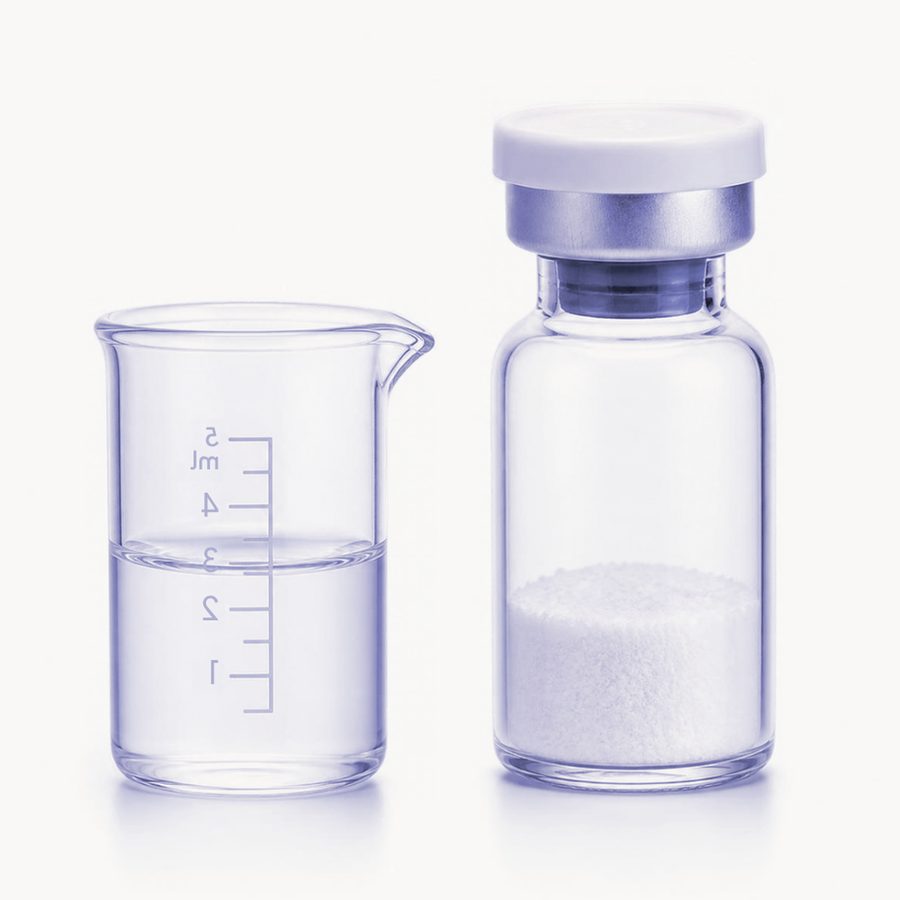
Lyophilized peptides are shipped as freeze-dried powder in sealed glass vials. Before use, the powder is reconstituted with bacteriostatic water. The resulting solution is then administered by injection (subcutaneous or intramuscular), delivering the peptide into systemic circulation. This route can reach deep tissues that topicals cannot: tendons, muscles, gut lining and internal organs. The tradeoff is complexity. Reconstitution requires sterile technique, insulin syringes and refrigeration after mixing.
BPC-157 Vial Options
Two vendors in our catalog sell BPC-157 vials, and we list both below. PeptideGod lists BPC-157 at $34.95 without a stated vial size or COA. Real Peptides lists BPC-157 at $43.20 for a confirmed 10 mg vial with a lot-specific COA showing HPLC purity of 99% or higher. Real Peptides also sells Bacteriostatic Water (10 ml) at $4.80 for reconstitution.
TB-500 and Blend Vials
PeptideGod is the only vendor in our catalog offering TB-500 ($35.00) and a BPC-157 + TB-500 blend ($59.95). Neither product page discloses milligram amounts, purity data or COA documentation. Real Peptides does not carry TB-500 in any form.
Evidence Table: Topical vs Injectable Research
| Peptide | Route | Key Findings | Species | PMID |
|---|---|---|---|---|
| GHK-Cu | Topical | Accelerated wound contraction, increased collagen deposition | Rat | 29986520 |
| GHK-Cu | Topical | Improved skin density and thickness in volunteers | Human (cosmetic endpoint) | 18644225 |
| GHK-Cu | Injection (SC) | Gene expression modulation relevant to nervous system function | In silico / cell culture | 28212278 |
| BPC-157 | Injection (IP) | Accelerated Achilles tendon repair, improved biomechanics | Rat | 14554208 |
| BPC-157 | Oral | Dose-dependent gastric mucosal protection | Rat | 8298609 |
| BPC-157 | Injection (IP) | Reduced muscle crush injury hematoma and edema | Rat | 18668315 |
| TB-500 (TB-4) | Injection (IP) | Reduced cardiac scar size post-infarction | Mouse | 15565145 |
| TB-500 (TB-4) | Injection (IP) | Enhanced wound closure via keratinocyte migration | Mouse | 22074294 |
Topical vs Vial: Practical Differences
- Topical target tissue
- Skin surface, hair follicles
- Vial target tissue
- Systemic (tendon, muscle, gut, nerve)
- Topical storage
- Room temperature (product-dependent)
- Vial storage
- Dry powder shelf-stable; refrigerate after reconstitution
- Topical preparation
- None required, apply directly
- Vial preparation
- Reconstitute with BAC water, requires syringe
- Lowest topical price
- Neurogan Face Cream $20.00
- Lowest vial price
- PeptideGod BPC-157 $34.95
- Documented vial price
- Real Peptides BPC-157 10 mg $43.20
Price Comparison Across All Formats
What to Choose
For Skin Concerns
If your goal is skin appearance, collagen support or fine lines, a GHK-Cu topical is the appropriate format. Neurogan Health's GHK-Cu Copper Peptide Face Cream at $20 contains 1200 mg of GHK-Cu at 2% concentration with a 4.9-star rating from 34 reviews. It is the lowest-cost topical peptide in our catalog and requires no reconstitution or injection. For product details, see our Neurogan GHK-Cu Face Cream review.
For Hair and Scalp
If you are targeting hair follicle health, Neurogan's GHK-Cu Hair Serum at $55 provides a higher concentration (2400 mg at 4%) in a format designed for scalp application. It has 151 reviews at a 4.4-star rating. This is the topical with the most customer feedback in our catalog.
For Deep Tissue Repair Research
If your interest is tendon, muscle or gut tissue and you need systemic delivery, a lyophilized BPC-157 vial is the relevant format. Real Peptides sells BPC-157 at $43.20 for a 10 mg vial with a published COA showing HPLC purity of 99% or higher. Reconstitution with bacteriostatic water ($4.80 from Real Peptides) is required. For more on these vendors, see our Scantifix GHK-Cu review and DoctorDerm Copper Peptide review.
FAQ - Topical vs Vial Peptides
Can topical peptides reach tendons or joints?
No. Topical delivery is limited to the skin surface and superficial dermis. Peptide molecules in a cream or serum do not penetrate to deep connective tissue, muscle or internal organs. For systemic targets, injection-based delivery is the studied route.
Is a topical peptide safer than an injectable?
Topical application avoids the risks associated with injection (infection at injection site, needle-stick injury, dosing errors during reconstitution). However, "safer" depends on what you are comparing. GHK-Cu topicals sold as cosmetic products have a different regulatory classification than research-use lyophilized peptides. Neither category has been evaluated by the FDA for therapeutic efficacy claims.
Why is DoctorDerm so much more expensive?
DoctorDerm's $74.50 price includes the prescription pathway through a telehealth dermatology consultation. You are paying for physician oversight in addition to the product. Neurogan's $20 face cream is an over-the-counter cosmetic without medical supervision. The price difference reflects the service model, not necessarily the peptide content.
Do I need bacteriostatic water for topicals?
No. Topical peptide products come ready to use. Bacteriostatic water is required only for reconstituting lyophilized peptide powder in vials before injection.
Consult a qualified physician before using any peptide product. The compounds discussed on this page are sold for research purposes or as cosmetic products and are not approved for human therapeutic use by any regulatory agency. Nothing on this site constitutes medical advice or a recommendation for self-administration.
Compare the current picks
Prices, sizes and ratings side by side, updated when the merchant pages change.
Compare peptides