Research Peptides Explained: What You Need to Know
What research peptides are, how they differ from pharmaceutical peptides, where they are sold and what the research-use-only label actually means in 2026.
Research peptides are synthetic chains of amino acids manufactured for scientific investigation and sold under "for research use only" labeling. The term covers dozens of compounds, from BPC-157 and TB-500 to growth hormone secretagogues and copper peptide complexes. We built this guide to explain what research peptides actually are, how they are made, where they sit legally in 2026 and how to evaluate a vendor before placing an order.
What Makes a Peptide a "Research Peptide"
A peptide is a molecule made of two or more amino acids linked by peptide bonds. Chains shorter than about 50 amino acids are generally called peptides; longer chains are proteins. Your body produces thousands of peptides naturally. Insulin is one. Oxytocin is another.
Research peptides are synthetic versions of naturally occurring sequences (or entirely novel sequences) produced in a laboratory. They are not approved drugs. They are sold for laboratory investigation, which is a legal distinction that matters for everything from labeling to liability. That research-only label is what separates these compounds from approved pharmaceuticals. It also means no regulatory body has verified safety or efficacy for human use.
Categories of Research Peptides
Tissue Repair (BPC-157, TB-500)
BPC-157 is a 15-amino-acid fragment isolated from a protein in human gastric juice. TB-500 is a fragment of Thymosin Beta-4. Both have been studied in animal models for their effects on tendons, muscles, blood vessels and the gastrointestinal tract. The published data is entirely preclinical, with one 2025 pilot study of BPC-157 in two human subjects being the sole exception. These are the two most widely purchased research peptides by volume.
GH Axis Peptides (Ipamorelin, Tesamorelin)
Ipamorelin is a pentapeptide that stimulates growth hormone release by binding the ghrelin receptor (GHS-R1a). Tesamorelin is a 44-amino-acid growth hormone releasing hormone analogue. Tesamorelin is the only peptide in this group with FDA approval, specifically for HIV-associated lipodystrophy under the brand Egrifta. Ipamorelin remains a research chemical with no approved indication.
Copper Peptides (GHK-Cu)
GHK-Cu is a tripeptide complexed with copper ions. It has been studied for collagen synthesis, wound remodeling and skin regeneration. Unlike the vial-based peptides above, GHK-Cu is widely available as topical creams and serums. Neurogan Health sells a GHK-Cu face cream (1200 mg, $20) and a hair serum (2400 mg, $55). Scantifix offers a GHK-Cu topical at $49. These topical formats do not require reconstitution or injection.
Mitochondrial Peptides (MOTS-c)
MOTS-c is a 16-amino-acid peptide encoded in mitochondrial DNA. Animal studies have examined its role in metabolic regulation and exercise performance. Human trial data is minimal. Real Peptides sells a 10 mg MOTS-c vial at $43.20 with published COA.
Nootropic and Longevity Peptides (Epithalon)
Epithalon (Ala-Glu-Asp-Gly) is a tetrapeptide studied for telomerase activation in cell and animal models. Published evidence is limited to a small number of studies, primarily from a single research group. Peptide God sells Epithalon at $29.95 per vial.
How Research Peptides Are Made
Most research peptides are manufactured using solid-phase peptide synthesis, a process developed by Bruce Merrifield in the 1960s. Understanding the manufacturing pipeline helps explain why purity documentation matters so much.
- Solid-Phase Synthesis (SPPS) Amino acids are attached one at a time to an insoluble resin bead, building the chain from C-terminus to N-terminus. Each coupling cycle includes a deprotection step and a coupling step. Incomplete couplings produce deletion sequences that contaminate the final product.
- Cleavage from Resin The finished peptide chain is cleaved from the resin bead using a cocktail of trifluoroacetic acid and scavengers. This also removes side-chain protecting groups. Residual solvents must be removed thoroughly.
- HPLC Purification High-performance liquid chromatography separates the target peptide from truncated sequences, deletion peptides and chemical byproducts. The purity of the final product depends heavily on this step. A target of 99% or above by HPLC is standard for research-grade material.
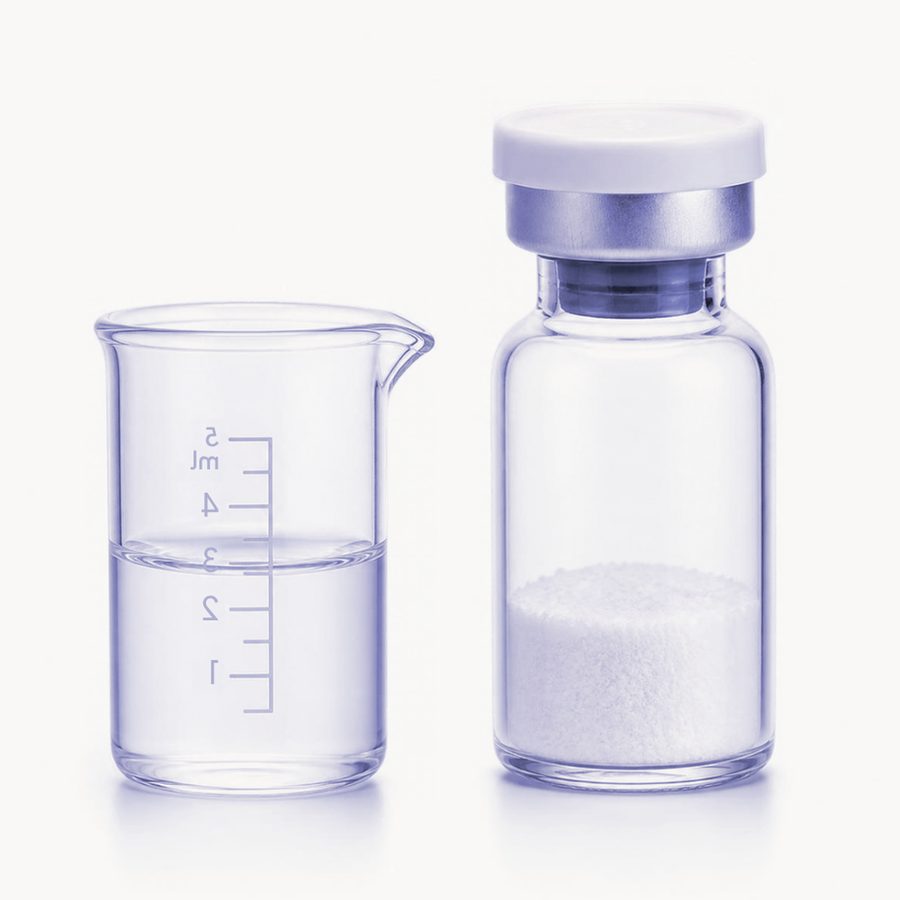
- Lyophilization The purified peptide is freeze-dried into a stable powder. Lyophilized peptides can be stored at ambient temperature during shipping and at -20C for long-term stability. Once reconstituted with bacteriostatic water, the solution must be refrigerated and used within 28 days.
- Certificate of Analysis (COA) A proper COA includes HPLC chromatogram showing purity percentage, mass spectrometry confirming molecular weight and endotoxin testing results. This document is the buyer's only verification that the product matches the label.
- Packaging and Shipping Lyophilized vials are sealed under vacuum or nitrogen, labeled and shipped at ambient temperature. Cold-chain shipping is not required for dry powder but becomes necessary for reconstituted solutions.
Legal Status in 2026
FDA and Compounding
Research peptides labeled "for research use only" can be legally purchased in the United States without a prescription. They are not approved for human therapeutic use. In 2024, the FDA moved to exclude BPC-157 from the list of bulk drug substances eligible for pharmacy compounding, citing insufficient safety and characterization data. This restriction applies to the compounding pharmacy channel specifically, not to research chemical sales. Our FDA compounding status page tracks the current regulatory picture.
WADA Prohibited List
BPC-157 has been on the WADA prohibited list since January 2022, classified under S0 (Non-Approved Substances). TB-500 falls under S2 (Peptide Hormones, Growth Factors). Competitive athletes subject to anti-doping testing should not use these compounds. GHK-Cu topicals are not currently listed.
| Peptide | FDA Category | WADA Status | Rx Required |
|---|---|---|---|
| BPC-157 | Not approved; excluded from compounding | Prohibited (S0) | No (research use) |
| TB-500 | Not approved | Prohibited (S2) | No (research use) |
| Ipamorelin | Not approved | Prohibited (S2) | No (research use) |
| Tesamorelin | FDA-approved (Egrifta) | Prohibited (S2) | Yes |
| GHK-Cu (topical) | Cosmetic/OTC | Not listed | No |
| MOTS-c | Not approved | Prohibited (S0) | No (research use) |
| Epithalon | Not approved | Prohibited (S0) | No (research use) |
How to Evaluate a Peptide Vendor
COA Verification
The certificate of analysis is the single most important document a vendor can provide. We check every vendor in our catalog for three things: HPLC purity percentage, mass spectrometry identity confirmation and endotoxin screening. As of October 2026, Real Peptides publishes lot-specific COAs meeting all three criteria. Peptide God does not publish COA documentation on any product page. We report this difference factually and leave the interpretation to you.
HPLC and Mass Spectrometry
HPLC tells you how pure the peptide is. The chromatogram should show a single dominant peak at the expected retention time, with a purity percentage of 99% or higher. Mass spectrometry confirms identity by measuring molecular weight. If the observed mass matches the theoretical mass of the target sequence within acceptable error, the product is what it claims to be. These two tests together provide reasonable confidence in product quality.
Red Flags We Watch For
Vendors who claim 99.9% purity without publishing a COA are making an unverifiable statement. Products priced dramatically below market average may indicate lower-grade synthesis. Websites that make therapeutic claims such as "heals injuries" or "reverses aging" are violating FDA labeling requirements for research chemicals and may not prioritize quality control either. We steer buyers toward vendors whose documentation matches their claims. See our best peptide brands page for our current vendor rankings.
FAQ - Research Peptides
Are research peptides legal?
Yes. Research peptides labeled "for research use only" are legal to purchase in the United States. They are not approved for human therapeutic use by the FDA or any other regulatory agency.
Do I need a prescription?
No prescription is required for research-use peptides. Prescription-based access is a separate pathway available through telehealth platforms that include physician oversight.
How do I know if a peptide is real?
Request the Certificate of Analysis. Check that it includes HPLC purity above 99%, mass spectrometry confirmation and endotoxin data. If a vendor cannot provide this document, the product identity is unverified.
Can I take research peptides orally?
Most research peptides are destroyed by stomach acid and digestive enzymes. BPC-157 is unusual in that it shows acid stability in preclinical tests, which is why oral formulations exist. Other peptides like TB-500 and Ipamorelin are generally administered by subcutaneous injection in research protocols.
Discuss any peptide product with a qualified physician before use. The products described on this site are sold for laboratory and research purposes and are not approved for human therapeutic use by any regulatory agency.
Compare the current picks
Prices, sizes and ratings side by side, updated when the merchant pages change.
Compare peptides